
 Monday-Friday | 8am-4pm
 1969 NW 55th Ave, Margate FL 33063
How to Choose the Right Pool Heater for Your Home
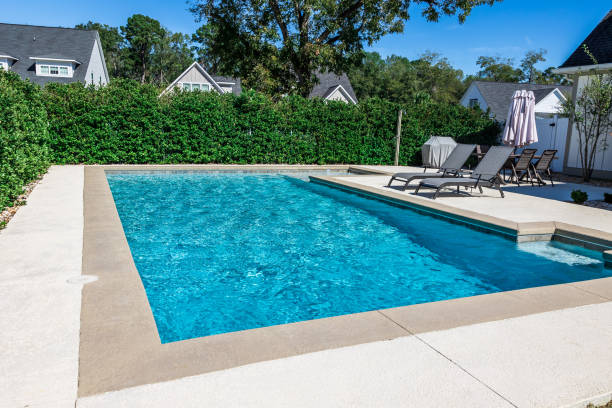
A pool heater can transform your outdoor space into a year-round retreat, allowing you to enjoy comfortable swimming temperatures even when the weather cools. However, not all heaters are the same, and selecting the right model for your pool and climate can make a significant difference in performance, efficiency, and long-term cost.
For South Florida homeowners, where temperatures can fluctuate during the winter months, choosing the correct pool heater ensures comfort without driving up energy bills. Florida Pool Heating helps homeowners across Broward, Dade, and Palm Beach counties choose systems that balance energy efficiency, heating speed, and budget.
Understanding the main types of pool heaters, how they function, and which is best suited to your specific needs will help you make a smart, informed investment.
Understanding the Main Types of Pool Heaters
There are three primary types of pool heaters used in Florida: electric heat pumps, gas heaters, and solar heaters. Each operates differently and comes with its own benefits and considerations.
Electric heat pumps are the most common choice in South Florida because they use the warmth from the surrounding air to heat the pool water. This makes them highly energy-efficient and cost-effective to operate. While they may heat more slowly than gas units, they maintain a steady temperature with much lower electricity use.
Gas pool heaters, powered by natural gas or propane, heat water quickly by burning fuel inside a combustion chamber. They are ideal for spas, smaller pools, or situations where you want to raise the temperature rapidly for occasional use. However, because fuel costs can fluctuate, gas heaters may be more expensive to run regularly.
Solar pool heaters use panels installed on the roof or nearby structure to collect heat from the sun. Water is pumped through these panels and warmed before returning to the pool. Solar systems have minimal operating costs, but their performance depends on sunlight availability. They are an excellent environmentally friendly option for homeowners who prefer a low-maintenance solution.
Choosing Based on Climate and Usage
Your choice of pool heater should align with how often you use your pool and the local climate. South Florida’s warm temperatures make it an ideal location for electric heat pumps. They perform best in mild weather and can keep water warm almost year-round.
If you use your pool frequently and prefer a consistent temperature, a heat pump provides the best long-term efficiency. If you use your pool occasionally or want fast heating for a weekend swim, a gas heater may be the better choice.
For environmentally conscious homeowners who want to minimize energy costs, solar heating is the most sustainable option. While it may not provide as rapid a temperature increase as other systems, it offers nearly free heating once installed.
Combining systems can also be effective. Many homeowners pair solar panels with a heat pump or gas heater to achieve energy savings while ensuring reliable heating on cloudy days.
Sizing Your Pool Heater Properly
Selecting the correct size heater is just as important as choosing the type. A heater that is too small will struggle to maintain temperature, while one that is oversized will waste energy and increase costs unnecessarily.
Heater capacity is measured in BTUs, or British Thermal Units. The larger the pool, the more BTUs are required to heat it efficiently. As a general rule, for every 10,000 gallons of pool water, you will need approximately 50,000 BTUs for moderate heating. However, factors such as wind exposure, pool shape, and whether the pool is covered can affect the calculation.
Professional sizing ensures that your system performs efficiently in South Florida’s climate. Technicians at Florida Pool Heating evaluate your pool’s size, design, and environment to recommend the ideal model.
Efficiency Ratings and Energy Costs
Energy efficiency should be a key consideration when selecting a heater. Electric heat pumps are rated by COP, or coefficient of performance, which indicates how much heat they produce for each unit of energy consumed. The higher the COP, the more efficient the heater. Most modern heat pumps have a COP between 5 and 7, meaning they produce five to seven times more heat energy than they consume in electricity.
Gas heaters are rated by thermal efficiency, which measures how much of the fuel’s energy is converted into heat. A high-efficiency gas heater will have a rating of around 84 percent or more.
Solar heaters do not consume electricity or fuel directly, so their main cost comes from the pump needed to circulate water through the panels. Their efficiency depends largely on proper placement and exposure to sunlight.
Choosing a heater with a high efficiency rating helps reduce operating costs while maintaining the comfort you expect.
Installation Considerations
Proper installation is essential for performance and safety. A heat pump requires sufficient airflow around the unit to function correctly, while gas heaters need adequate ventilation for combustion gases. Solar panels must be positioned to maximize sun exposure, typically on a south-facing roof or area with minimal shade.
Professional installation ensures that plumbing, electrical, and control systems are connected correctly. It also guarantees compliance with local building codes and manufacturer warranties. Attempting a do-it-yourself installation may seem appealing but often leads to inefficiency or premature equipment failure.
Florida Pool Heating employs trained technicians who install all types of pool heaters with precision and attention to detail. Their expertise ensures your system operates safely and efficiently from day one.
Maintenance for Longevity and Performance
Once your heater is installed, regular maintenance is essential to keep it operating efficiently. Heat pumps require periodic cleaning of air coils and inspection for debris that could block airflow. Gas heaters should be checked for leaks, corrosion, and burner buildup. Solar panels need occasional rinsing to remove dirt or leaves.
Water chemistry also plays a role. Imbalanced pH or calcium hardness can cause scale buildup inside the heater, reducing heat transfer and increasing energy use. Keeping your water properly balanced not only protects your heater but also extends its life.
An annual service inspection from a qualified technician ensures that the heater continues to perform at its best and helps catch potential issues before they lead to costly repairs.
Frequently Asked Question
How do I know which type of pool heater is right for me?
Consider how often you use your pool, your budget, and your efficiency goals. Electric heat pumps are ideal for frequent use and long-term savings. Gas heaters are best for quick heating or spas, while solar systems are perfect for eco-friendly homeowners looking to minimize operating costs.
Make the Smart Choice for Year-Round Comfort
Choosing the right pool heater is about more than just staying warm; it is about creating an efficient, enjoyable outdoor experience that fits your lifestyle. A properly sized, high-quality heater allows you to get the most from your pool in every season while keeping energy bills under control.
Florida Pool Heating provides expert guidance, installation, and maintenance for all types of pool heating systems. Their team works with you to select the perfect solution for your home, ensuring comfort and efficiency from the start.
To learn more or schedule a consultation, call 954.341.2002 or reach out online.